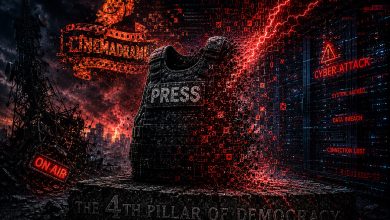
Hidden Pressures on U.S. Television: Is the FCC Restricting Free Speech Without Bans?
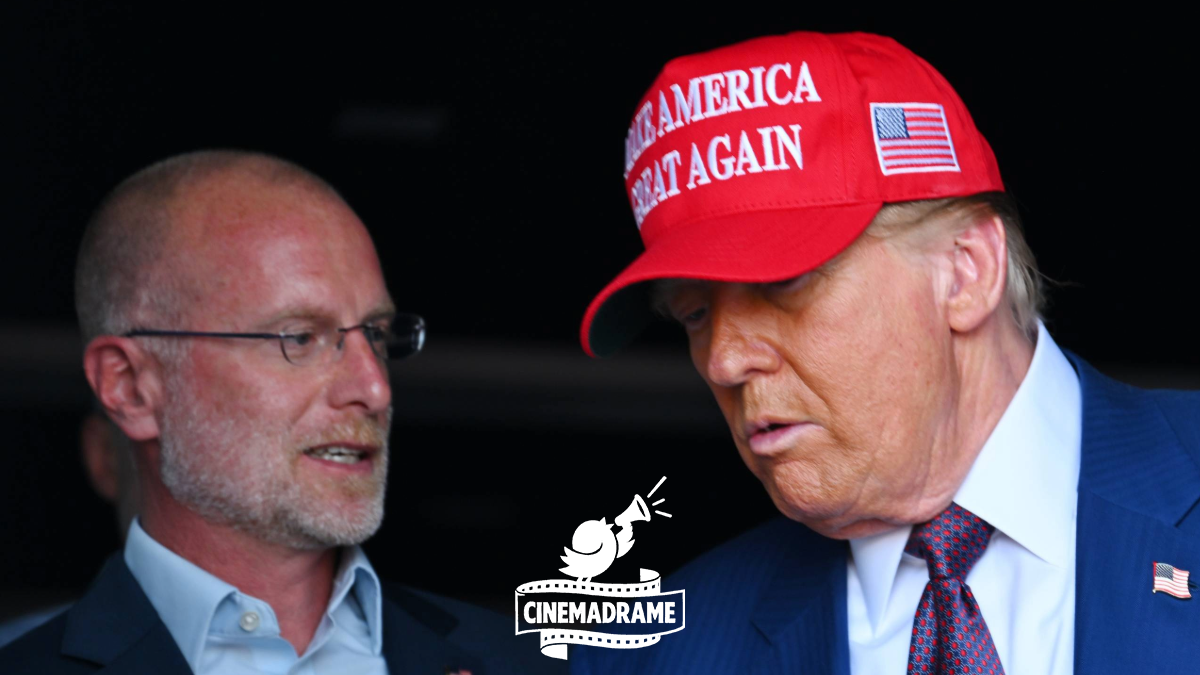
According to CinemaDrame News Agency, the early months of 2026 have raised concerning signs about the future of free speech on American television. Networks are not facing direct bans, but rather a campaign of increasing political pressure and legal ambiguity stemming from the aggressive expansion of regulatory authority.
Brendan Carr, chairman of the Federal Communications Commission, recently threatened to revoke the licenses of local news stations that allegedly broadcast “fake” coverage of the war in Iran. His remarks reflect many of the hardline, anti-media positions long associated with Donald Trump, though public policy experts have largely deemed these threats hollow and potentially unlawful.
The FCC has never denied a license in recent decades, and any attempt to do so could trigger a protracted legal battle over the First Amendment. However, the practical enforceability of these policies is not the main point. The FCC does not need to revoke licenses to influence network behavior; creating an environment of fear over costly, long legal battles is enough to make self-censorship gradually become the industry norm.
Meanwhile, another major battle revolves around the FCC’s “equal-time” law—a rule now putting programs such as The Late Show with Stephen Colbert on CBS and The View on ABC under scrutiny. This law, which requires networks to provide equivalent airtime to political opponents if one candidate appears, is now being applied to entertainment programs in unprecedented ways, largely due to the FCC’s new approach under Carr.
These bureaucratic tensions have sparked widespread speculation about the future of networks like CBS. With corporate maneuvers such as Paramount Global’s bid to acquire Warner Bros. Discovery, and the controversial hiring of Bari Weiss as editor-in-chief, potential FCC pressure illustrates how regulatory agencies can shape not just what is said, but whether anything is said at all.
Four key pressure points illustrate how these forces could reshape television:
1. When the “Equal-Time” Rule Becomes a Risk for Hollywood
The equal-time rule was designed to ensure fairness in political coverage, but stricter interpretations could have the opposite effect. In nightly or daytime talk shows, inviting a political figure could become a legal risk. A single appearance might compel producers to allocate equal time to main opponents or even lesser-known candidates. In such cases, network executives may conclude that the easiest solution is to exclude politicians entirely—reducing the scope and impact of political satire.
2. The Spread of Self-Censorship in Entertainment and News
Broadcast licenses remain one of the federal government’s leverage tools over media companies, especially since local stations depend on them. Any merger, acquisition, or license transfer must pass FCC scrutiny, allowing regulators to influence editorial policy, hiring, and programming. Even without direct penalties, awareness of such leverage—particularly in multi-billion-dollar deals—can alter network behavior.
3. Growing Distance Between Journalists, Satirists, and Audiences
Broadcast television once provided a shared space where news, culture, and entertainment intersected. If political satire becomes a legal risk for networks, these conversations may disappear from Hollywood or migrate to other platforms. This fragmentation further splinters public discourse, forcing audiences to piece together their worldview from scattered sources.
4. Moving Toward “Paywalled” Free Speech?
As broadcast space shrinks, political conversations are likely to move to more private domains. Cable networks, streaming services, podcasts, and independent platforms outside the FCC licensing framework offer more freedom for such content. However, these venues, while freer, are dependent on subscription models, algorithms, and niche audiences.
This shift has already begun, painting a fragile future for television. Broadcast networks have long suffered from changing viewer habits and declining advertising revenue, and regulatory pressures may accelerate this trend. The result could be the migration of creators and audiences to faster, freer spaces that nevertheless wield less influence.
Ultimately, FCC efforts under Brendan Carr could turn rules originally designed to protect free speech into tools for restricting it—a process that may quietly marginalize broadcast television without imposing formal bans.